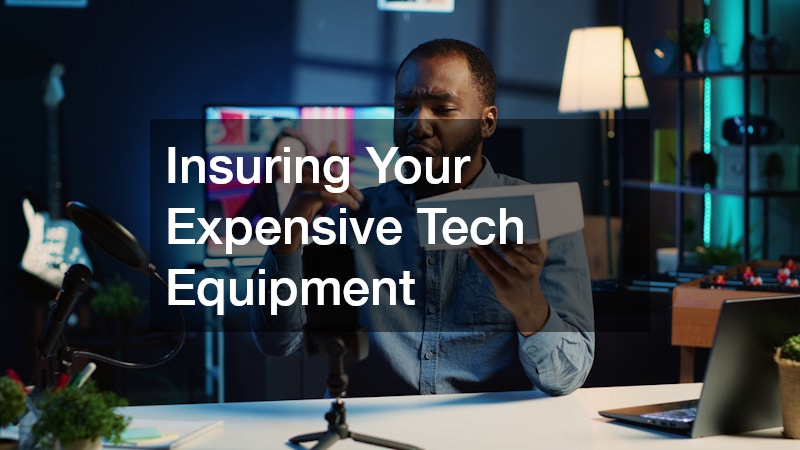
The modern professional and residential landscapes are increasingly defined by a heavy reliance on high-value technology infrastructure. From specialized mobile computing setups and advanced creative production arrays to sophisticated enterprise servers and smart home command centers, the financial capital concentrated within modern electronic hardware is unprecedented. For creative freelancers, enterprise operators, and tech-forward homeowners alike, these pieces of equipment represent far more than casual consumer goods; they serve as the literal backbone of daily business continuity, data preservation, and operational stability.
Unfortunately, many technology investors operate under a highly hazardous financial illusion, assuming that their premium electronics are automatically protected by standard off-the-shelf property policies. In clinical reality, standard insurance frameworks are written with rigid sub-limits and strict commercial exclusions that routinely leave high-dollar technical assets completely exposed during a crisis. A single unexpected voltage spike, an accidental drop on a remote job site, or a catastrophic localized environmental failure can instantly wipe out thousands of dollars in hardware equity. Transitioning from passive, vulnerable tech ownership to an ironclad stance of financial resilience requires a deep, analytical comprehension of risk mitigation, technical certification values, and strategic insurance engineering. This comprehensive guide provides an in-depth operational blueprint to help you systematically identify coverage gaps, deploy physical environmental defenses, and structure precision policy endorsements to fully insulate your high-value technology investments against worst-case financial losses.
Protecting Mobile Workstations and Everyday Consumer Electronics
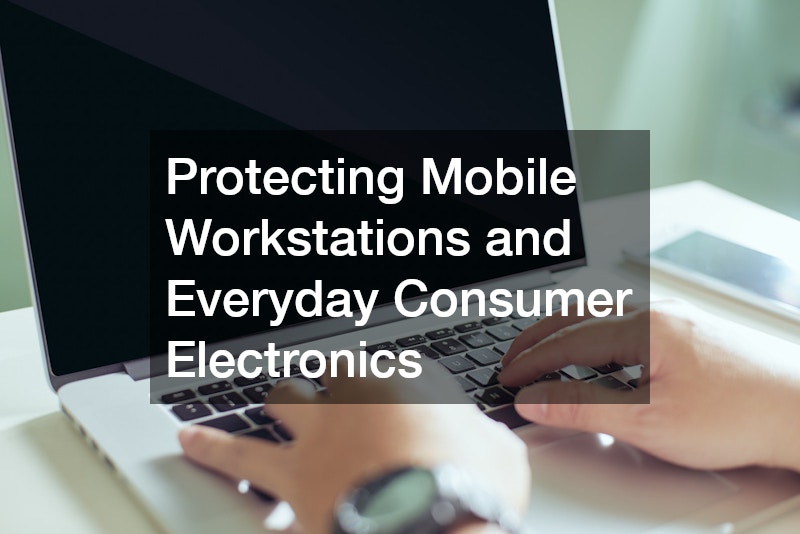
Mobile technology assets like high-performance smartphones, field laptops, and tablets are subjected to an intense, continuous cycle of physical wear and tear. Because these devices serve as the primary conduits for remote data entry, field communications, and mobile workstation access, they are constantly exposed to drop mechanics, screen fractures, and structural moisture intrusion. When a critical mobile node suffers a sudden hardware failure, the immediate financial impact extends far beyond the price of replacement hardware; it introduces debilitating operational downtime and acute data access lags that can cripple a small enterprise.
To shield your daily operations from these micro-mobility disruptions, you must establish an efficient, documented repair and diagnostics protocol. Attempting to manage unexpected screen fractures or internal logic board failures completely out-of-pocket can rapidly drain your corporate operational capital. Instead, your risk management workflow should leverage local technical support desks to handle swift component restoration. Utilizing a certified, rapid iphone repair channel ensures that your mobile communication hubs are returned to service using exact OEM components, stabilizing your hardware lifecycle without violating the complex terms of third-party extended warranties. Furthermore, you should build active commercial relationships with a trusted, independent local computer repair storefront. Having a reliable bench technician ready to run immediate diagnostic sweeps provides you with the formal, written damage assessments and salvage statements that property adjusters mandatorily require before approving comprehensive hardware claims.
- Audit device deployment lifecycles: Keep a precise, centralized spreadsheet tracking the serial numbers, purchase dates, and individual warranty statuses of all mobile computing frames deployed across your organization.
- Enforce immediate backup synchronization: Configure all field laptops and mobile devices to execute automated, end-to-end encrypted cloud backups every evening, ensuring that a total physical hardware loss never translates into a permanent data loss crisis.
- Demand formal technical diagnostic sheets: Whenever a device undergoes local diagnostic evaluation, require the technician to print a complete itemized fault report to serve as unshakeable supporting evidence for your claims broker.
Safeguarding Specialized Field Hardware and Commercial Industrial Assets
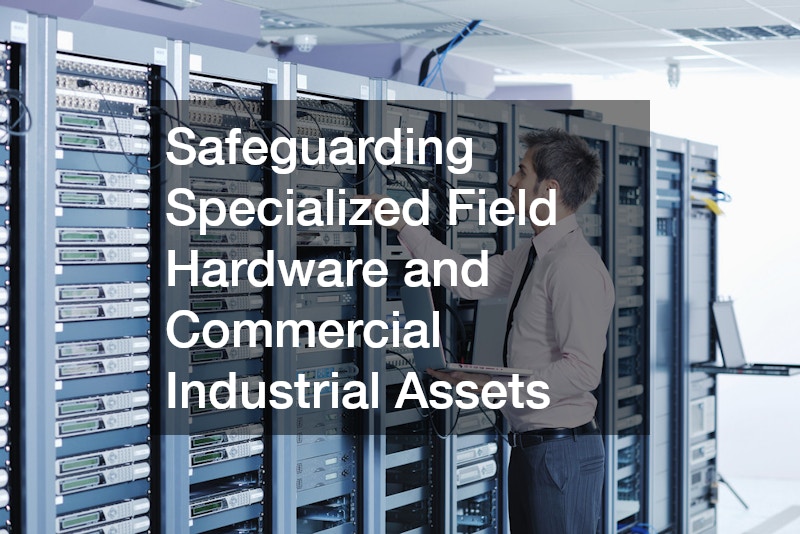
When technology equipment is deployed outside the clean, stable confines of a traditional corporate office and into high-risk industrial, maritime, or construction environments, its vulnerability profile accelerates exponentially. Industrial technicians, field engineers, and refinery inspectors routinely utilize high-value data terminals, diagnostic sensors, and optical gear directly inside volatile atmospheres contaminated with combustible dusts, airborne ignitables, or flammable gases. In these high-stakes environments, a standard consumer electronic chassis presents a severe ignition risk due to potential internal electrical arcing or rapid battery thermal thermal runaways.
Protecting your high-value mobile data gear in these hostile settings requires a strict adherence to international safety engineering specifications. To satisfy the rigorous safety parameters of industrial sites and protect expensive communications hardware from crushing physical impacts, you must upgrade your deployment standards. Enclosing field hardware in a certified intrinsically safe iphone case restricts internal thermal and electrical energy levels to a absolute safe margin, preventing hazardous sparks and ensuring mobile devices can safely operate in Class I, Division 2 environments without introducing catastrophic explosion risks. Simultaneously, your specialized optical and calibration hardware requires an equal level of operational compliance to satisfy commercial underwriter guidelines. If your organization operates advanced laser scanners, high-output survey arrays, or precision cutting tech, ensuring your field operators secure a formal laser certification is critical. Documenting that your personnel have undergone rigorous safety and calibration training vastly lowers your workplace liability profiles and satisfies the explicit risk-mitigation criteria demanded by commercial industrial underwriting networks.
- Match certifications to zone requirements: Verify that all field device protective enclosures carry verified ATEX, IECEx, or NEC certifications matching the exact hazardous zone classification of your physical job sites.
- Implement mandatory equipment drop tethers: Require all industrial field technicians to secure high-value portable diagnostic tools to heavy-duty body lanyards, eliminating gravity-induced impact destruction over deep vertical platforms.
- Maintain active employee safety credentials: Store digital copies of your team’s specialized technical certifications inside an easily accessible cloud database, allowing you to instantly prove operational compliance during unannounced insurance audits.
Shielding Centralized Home Entertainment and Smart Residential Systems
The modern residential landscape has experienced a massive influx of centralized smart automation networks, dedicated media rooms, architectural audio systems, and expansive home network command centers. Integrating these sophisticated consumer electronics into a home layout demands a substantial up-front financial commitment, often scaling into tens of thousands of dollars. Because these systems are hardwired directly into the underlying structural framework of the property, they are uniquely vulnerable to catastrophic power grid anomalies, lightning strikes, and internal electrical system failures.
To insulate these high-end residential components from premature destruction, you must prioritize professional deployment over amateur configuration. Attempting a complex home theater system install without an intimate understanding of localized voltage boundaries and circuit load balancing introduces a severe risk of persistent component damage and electrical fire hazards. Entrusting your installation to licensed custom integration professionals ensures your high-end amplifiers, projection units, and media servers are perfectly matched with dual-stage uninterruptible power supplies (UPS) and whole-house surge breakers. Once your hardware is physically stabilized, you must carefully audit the exact baseline boundaries of your primary residential insurance policy. You must recognize that a standard homeowners contract treats electronics as generic personal property, subjecting them to severe internal caps that rarely cover the full replacement cost of a custom home theater setup following a major disaster.
- Map out localized power delivery loops: Separate your high-end media and server components onto dedicated, isolated electrical circuits to shield sensitive processing boards from the voltage noise generated by heavy household appliances.
- Acquire scheduled personal property endorsements: File an itemized, professional invoice of your residential entertainment hardware with your insurance carrier to secure an explicit “scheduled” rider, unlocking full replacement value protection.
- Deploy secondary thermal warning metrics: Install specialized, smart environmental temperature monitors directly inside your centralized component racks to alert your mobile phone before an ventilation failure triggers terminal hardware overheating.
Implementing Physical Security Barriers and Catastrophic Environment Protections
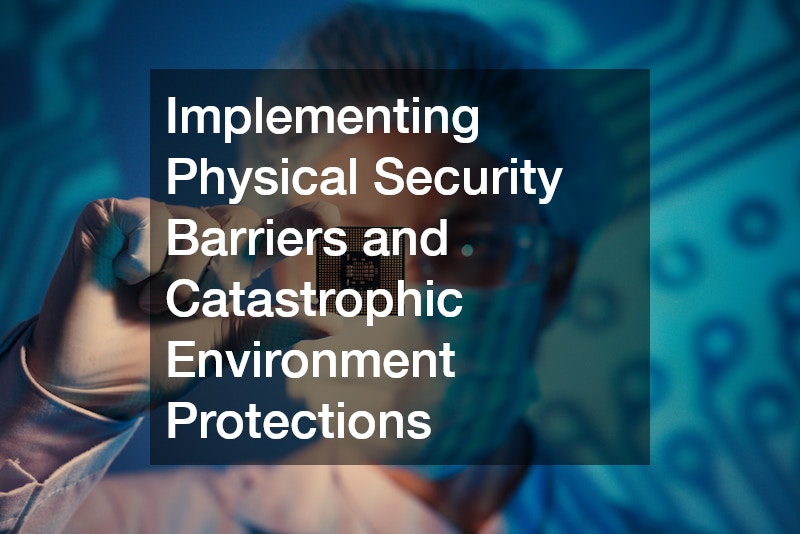
A truly resilient technology protection framework must go far beyond digital firewalls and mathematical insurance policies. Physical electronics are highly tangible targets for opportunistic property thieves and highly organized corporate espionage operations looking to capture valuable hardware components and proprietary data storage cells. Furthermore, nature presents a continuous array of catastrophic environmental threats that can permanently alter the molecular integrity of your hardware within minutes.
To construct an absolute defense matrix around your high-value portable assets, such as specialized cryptocurrency hardware wallets, high-grade cinematic lenses, and unissued company storage drives, you must implement strict layered physical barriers. Investing in a heavy-duty, commercial-grade security safe that is directly bolted down into your facility’s underlying steel-reinforced concrete footings provides a massive defense against burglary events. Your chosen containment hardware must possess an independent, verified high-temperature rating to insulate internal digital storage nodes from intense ambient thermal currents. When localized structural fire damage occurs, the extreme heat waves and toxic chemical smoke particulates generated by burning polymers will rapidly corrode delicate micro-circuitry and melt internal components. Having your most critical portable tech locked securely inside an environment-controlled safe allows you to extract intact hardware equity and salvage uncorrupted storage drives immediately following a localized thermal catastrophe.
- Anchor security vaults to structural steel: Never rely on a safe’s unanchored weight alone; always utilize high-tensile structural bolts to anchor your tech vault directly to the building’s concrete slab to prevent mechanical removal.
- Deploy continuous active desiccant systems: Place high-capacity, renewable desiccant cartridges inside your secure tech safes to maintain optimal, ultra-low humidity levels that suppress moisture oxidation on sensitive components.
- Execute detailed post-disaster logging: Following an environmental crisis, document the condition of all damaged tech gear under clean, high-intensity lighting before allowing insurance adjusters to clear the scene.
Engineering Strategic Policy Riders and Managing Alternative Property Risks
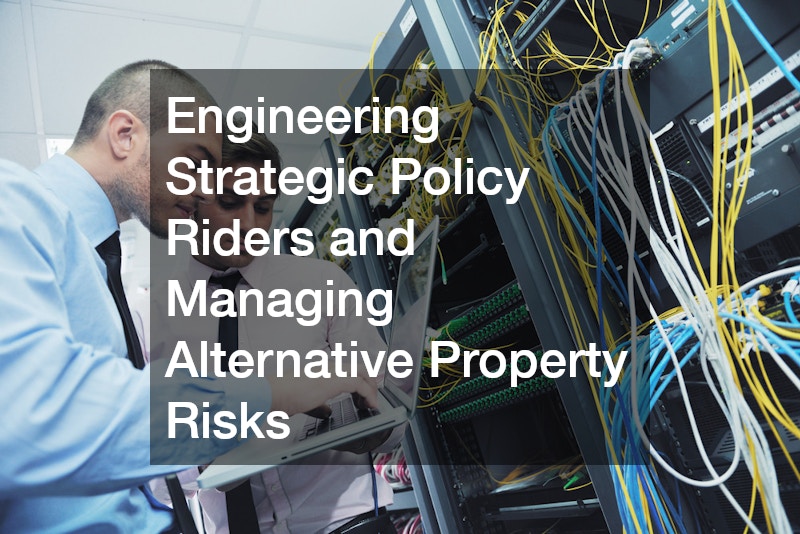
As your private technology inventory matures into an enterprise-level commercial asset, you must step away from standard, automated online insurance questionnaires and engage in advanced policy engineering. Navigating the modern high-value tech landscape requires a sophisticated understanding of inland marine insurance principles, floating asset risk profiles, and commercial property liability variations. To build an airtight financial shield around your technology gear, you must bypass automated digital portals and place your coverage directly through a specialized, highly consultative corporate insurance agency. Working alongside an experienced technical broker allows you to craft customized scheduled personal property endorsements that protect your developer workstations, camera rigs, and field equipment worldwide, regardless of whether the hardware is in transit, on a remote job site, or stored in a home office.
This rigorous approach to policy engineering is especially critical if you leverage your real estate assets within the shared economy marketplace. If your property features high-end architectural automation networks, built-in smart home displays, and custom entertainment hubs, hosting transient paying guests introduces a severe layer of asset risk. Standard residential homeowners insurance policies contain strict business-activity exclusions, meaning they will promptly deny coverage if a paying guest accidentally floods an automation server or steals your custom electronics. To eliminate this dangerous liability gap, you must proactively upgrade your asset defense grid by securing specialized short term rental insurance. A dedicated commercial host policy is explicitly written to cover business-use scenarios, ensuring your high-value built-in tech hubs, media spaces, and remote workstations are fully protected against malicious guest destruction, accidental fluid spills, or sudden property theft.
- Utilize an itemized inland marine floater: Secure a specialized inland marine policy rider to cover your expensive mobile tech gear worldwide, providing comprehensive protection while assets are actively in transit or off-premises.
- Enforce zero-deductible scheduled listings: Structure your high-value tech endorsements with a zero-dollar deductible allocation, guaranteeing you can replace critical production tools immediately without absorbing initial out-of-pocket costs.
- Audit platform host protections carefully: Never rely solely on the generic damage waivers provided by short-term booking websites; these corporate platform protections feature deep exclusions and should never replace a dedicated commercial insurance policy.
The construction of an elite, unshakeable technology inventory is one of the most powerful catalysts for modern professional success and residential comfort. However, the immense operational advantages granted by premium computing setups, industrial field tools, and integrated automation networks carry an absolute personal requirement to actively defend those high-value assets from financial destruction. True technological resilience is never achieved by simply hoping for the best or relying on the thin, unverified protection of baseline homeowners policies. It is a reward earned by diligent asset managers who systematically examine their technology portfolios through a lens of strict risk analysis, structural hardening, and advanced policy engineering.
As you step forward to evaluate the current safety profile of your tech collection, challenge yourself to abandon all passive coverage assumptions and take total control as an active risk coordinator. Reject the dangerous temptation to deploy high-end equipment through unverified installation teams, utilize uncertified field enclosures, or ignore the strict business exclusions hiding within your current property insurance documents. Take the direct initiative this week to execute the foundational steps of this guide: compile an itemized asset registry with verified serial numbers, connect with certified local micro-repair benches, deploy heavy physical safety safes, and schedule a comprehensive coverage review with an expert technical insurance broker. By taking absolute ownership of your technology protection frameworks today, you completely eliminate the threat of sudden hardware loss, insulate your personal capital from devastating out-of-pocket replacement costs, and guarantee absolute, uninterrupted operational continuity for your enterprise for many years to come.